This Is Not About Handouts. It Is About Fair Access.
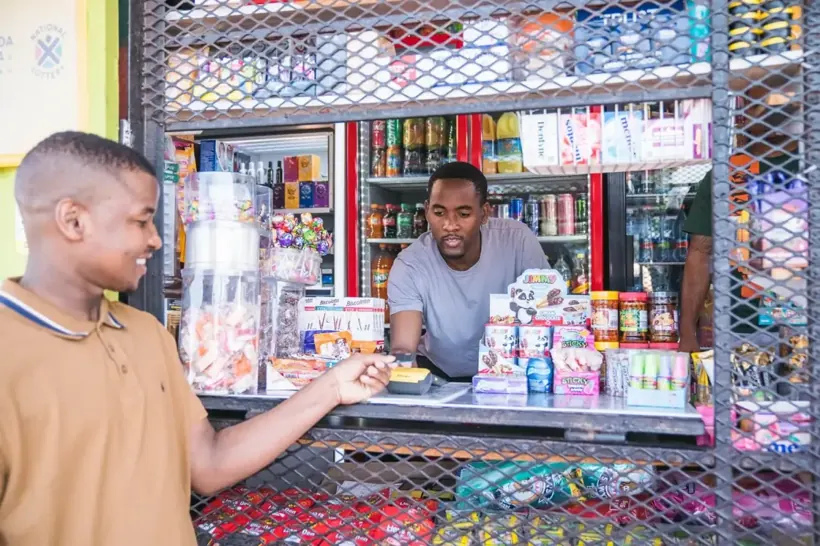
Indigenous and community-owned businesses along the N7 corridor produce extraordinary goods and services. Traditional crafts. Herbal remedies. Cultural experiences. Guided heritage tours. Food products using indigenous knowledge passed down through generations.
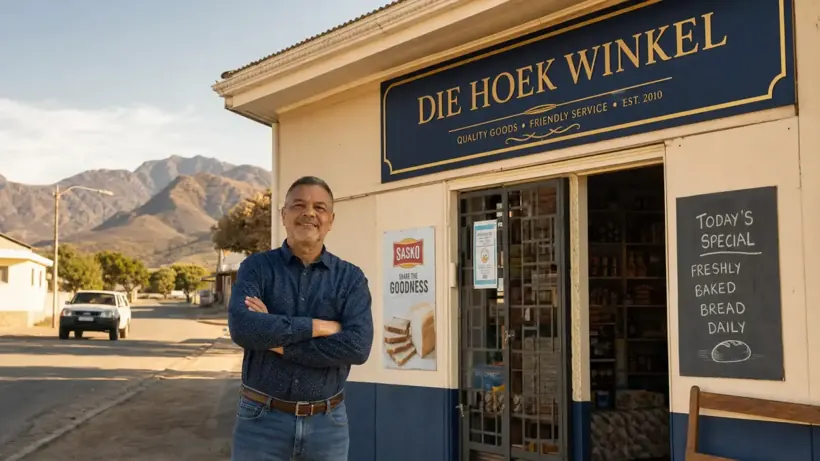
These businesses are not asking for charity. They are asking for the same access to professional branding services that any business in Cape Town takes for granted. Access that has been priced out of their reach by an industry that treats rural and indigenous communities as too remote to serve.
At N7 Signs, we believe that access to professional branding is an economic right. Not a privilege reserved for businesses with city postcodes and corporate budgets.
The Heritage Economy of the N7 Corridor
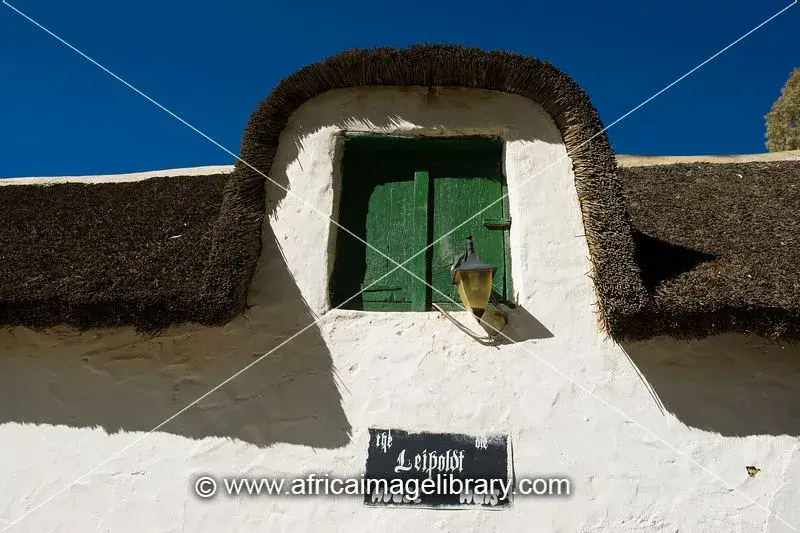
The N7 highway passes through some of the most culturally rich areas in South Africa. The Khoi and San heritage of the Northern Cape. The mission stations and historical settlements of the Cederberg. The fishing communities of the West Coast. The farming communities of the Olifants River Valley.
Each of these communities has cultural products and experiences that tourists and visitors value. Rock art tours in the Cederberg. Traditional food experiences. Handcrafted goods using indigenous techniques. Heritage storytelling. These are authentic experiences that cannot be replicated by chain businesses.
But authenticity without visibility is just a secret. The world's best cultural experience is worthless if nobody knows it exists. Professional branding bridges the gap between authentic local knowledge and commercial viability.
The Current Barriers to Professional Branding
Indigenous and community-owned businesses face specific barriers that mainstream small businesses do not.
Pricing is the most obvious barrier. A traditional craft cooperative in Wupperthal cannot afford R15,000 for a branding package from a Cape Town agency. The economics simply do not work when the monthly revenue of the entire cooperative is less than the branding quote.
Distance is the second barrier. As detailed in our article on why rural businesses pay more, the geography tax adds 30% to 60% to the cost of signage and branding services for remote communities. That tax falls heaviest on the communities that can least afford it.
Language and cultural understanding is the third barrier. City-based design agencies often do not understand the cultural context of indigenous businesses. They impose Western design aesthetics on products and services that have their own visual language. The result is branding that feels inauthentic and disconnects the business from its own community.
How N7 Signs Approaches Indigenous Business Branding
We start by listening. What is the story? Who are the customers? What visual language does the community already use? What materials and styles feel authentic to the business and its products?
We do not impose a corporate template. We design branding that reflects the business's own identity. A Khoisan heritage tour operator gets branding that honours San rock art traditions. A traditional herbal remedy producer gets packaging that reflects indigenous plant knowledge. A craft cooperative gets signage that showcases the techniques and materials they use.
Pricing through the Bizconnexity programme is scaled to the business's capacity. We work with emerging businesses at price points that their revenue can support. Because a R2,000 branding investment that generates R10,000 in additional revenue is good business for everyone.
Cultural Products Deserve Cultural Branding
A rooibos product that uses indigenous Khoi harvesting knowledge should be branded in a way that honours that knowledge. Not in a way that erases it behind generic Western packaging. The indigenous story is the value proposition. The branding should amplify it, not replace it.
This principle applies to every cultural product on the N7 corridor. Traditional food products. Herbal remedies. Handwoven textiles. Beadwork. Leatherwork. Each carries a story and a tradition that is intrinsically valuable. The branding should frame that value for the market while preserving the authenticity that makes it special.
Read about branding locally produced products for practical steps that apply to cultural and indigenous products.
Branding as Economic Justice
South Africa's history has systematically excluded indigenous communities from economic participation. Land dispossession. Forced removals. Education disparities. Employment discrimination. The effects are visible in every small town on the N7.
We cannot fix history with signage. But we can make sure that in 2024, an indigenous business owner has the same access to professional branding as anyone else. That is a small but meaningful act of economic justice.
When a Khoisan craft cooperative in the Northern Cape can present their products with the same visual quality as a boutique in Stellenbosch, they can compete on equal terms. When a woman-owned herbal remedy business in Calvinia has professional packaging, she can approach retailers with confidence. When a community-owned tourism venture has proper signage, tourists can actually find them.
These are not acts of charity. They are acts of economic inclusion. And they benefit everyone, not just the businesses involved.
What You Can Do
If you run an indigenous or community-owned business, contact N7 Signs and tell us your story. We will design a branding solution that honours your heritage and fits your budget.
If you are a consumer, support businesses that brand authentically. Buy the locally made product with the indigenous story on the label. Book the heritage tour with the community guides. Your spending choices shape which businesses survive and which disappear.
If you are a business owner, refer indigenous entrepreneurs to the Bizconnexity programme. A referral costs nothing and can change the trajectory of a community business.
Read about women and youth entrepreneurs on the N7 or explore the 4Rs story behind N7 Signs.
Fair branding access is not generosity. It is the baseline of a just economy. We are here to deliver it.
Further reading from trusted sources:
Frequently asked questions
If you are anywhere along the N7 corridor or beyond, yes. Clanwilliam, Citrusdal, Vredendal, Vanrhynsdorp, Calvinia, Springbok, Malmesbury, Cape Town and every town in between.
Ready to put this into action?
Get a free quote from N7 Signs. Cape Town to Springbok, no postcode penalty.